

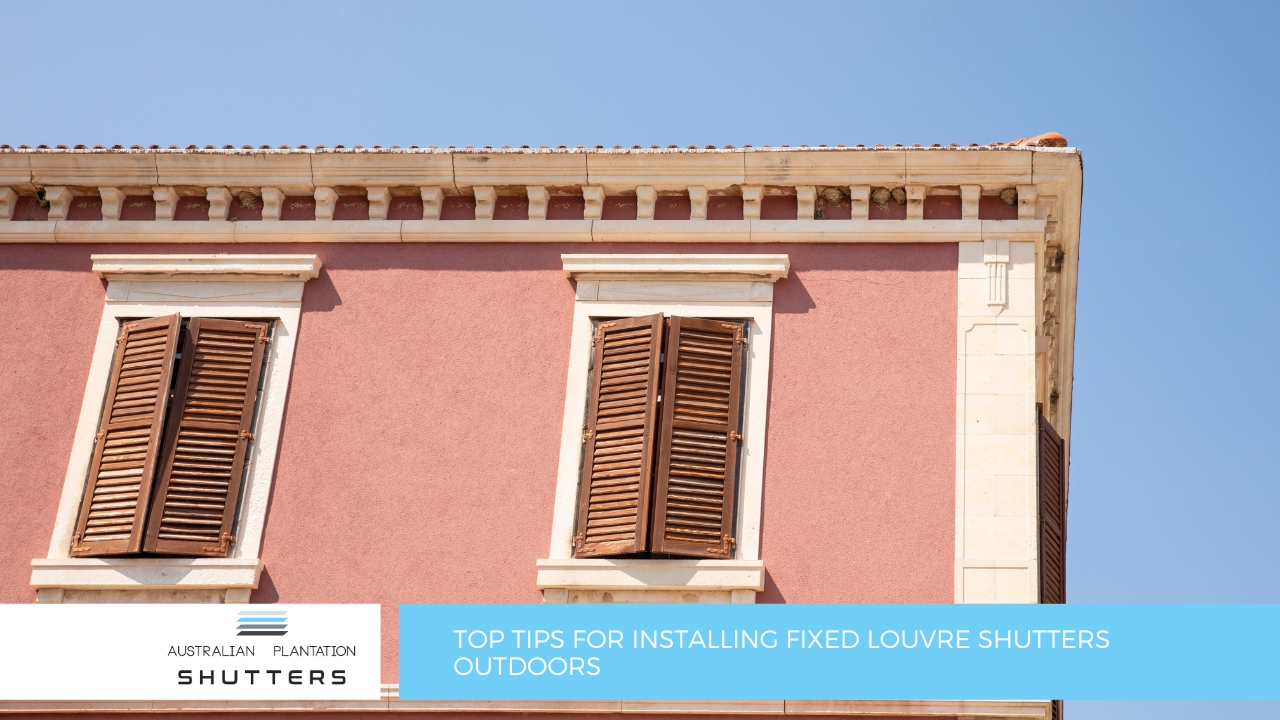
Installing fixed louvre shutters outdoors improves shading, airflow, and privacy while enhancing the overall look of your home. When installed correctly, they protect against harsh sunlight, rain, and coastal weather, making them ideal for Australian conditions.
Poor installation or unsuitable materials can lead to corrosion, uneven alignment, and reduced durability. Shutters exposed to salt air or constant sun need proper sealing, fixings, and positioning to ensure they perform as intended over time.
This guide shares practical tips for choosing the right materials, planning installation for airflow and strength, and ensuring your outdoor shutters remain stable, weather-resistant, and visually consistent for years to come.
Material selection has the biggest influence on how long outdoor louvre shutters last. Exposure to sun, rain, and salt air can quickly damage unsuitable materials, especially in coastal or humid environments.
Aluminium is the most reliable choice for outdoor use. It’s lightweight, strong, and resistant to rust, warping, and termites. For homes near the coast, marine-grade or powder-coated aluminium provides added protection from corrosion. These coatings create a hard surface that resists fading, peeling, and salt build-up.
Timber shutters should only be used if they are specifically designed and sealed for external applications. Even treated timber needs ongoing maintenance to prevent cracking or moisture damage.
When selecting materials, consider your location’s exposure, maintenance requirements, and the style of your home. The right material ensures your shutters remain durable, low-maintenance, and consistent in appearance for many years.
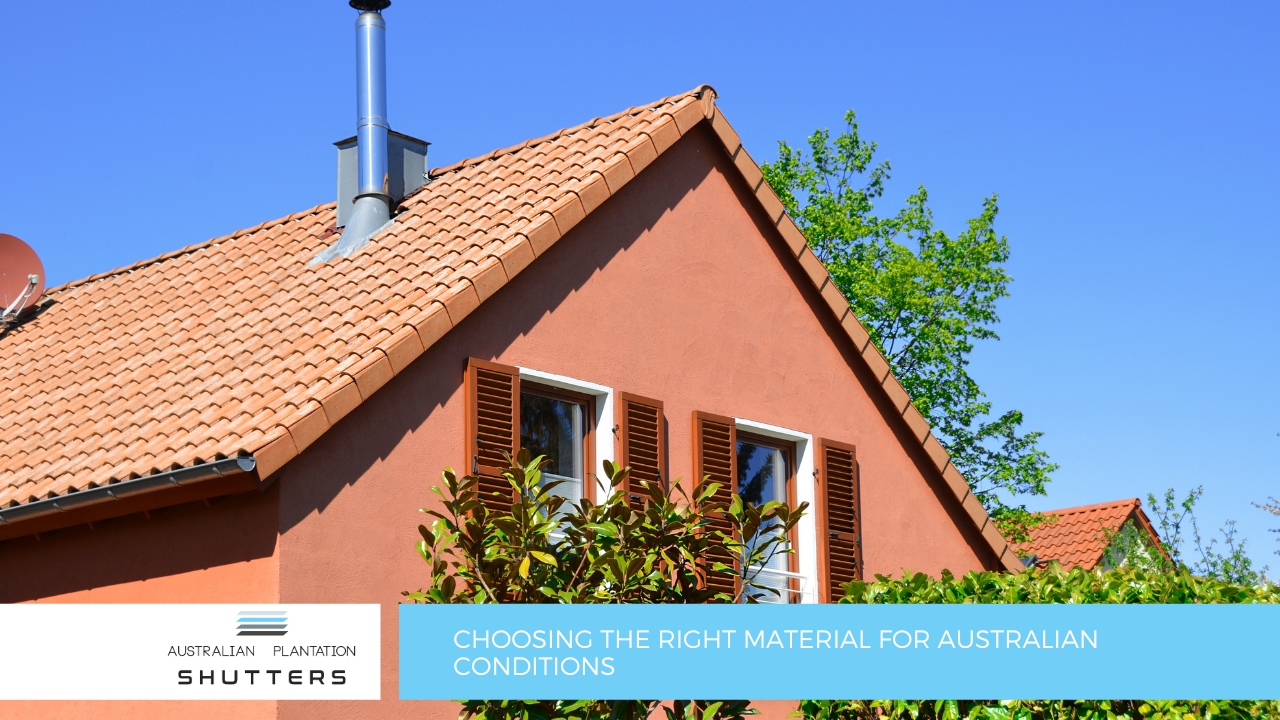
Fixed louvre shutters perform best when installed with proper spacing, alignment, and support. A small gap between the shutter and wall allows airflow, prevents moisture buildup, and makes it easier to clean the window or open it for ventilation.
Use stand-off brackets or spacers to maintain consistent distance from the wall. This gap also helps reduce heat transfer and keeps the surface dry after rain.
A stable frame is essential for long-term performance. Installers commonly use a U-channel or C-channel at the top and bottom of the opening to hold the shutter securely. For wide or tall installations, include a midrail or centre divider to prevent flexing and ensure structural stability.
Always confirm the top track is level before final fastening. Even a slight misalignment can cause panels to twist or bind over time.
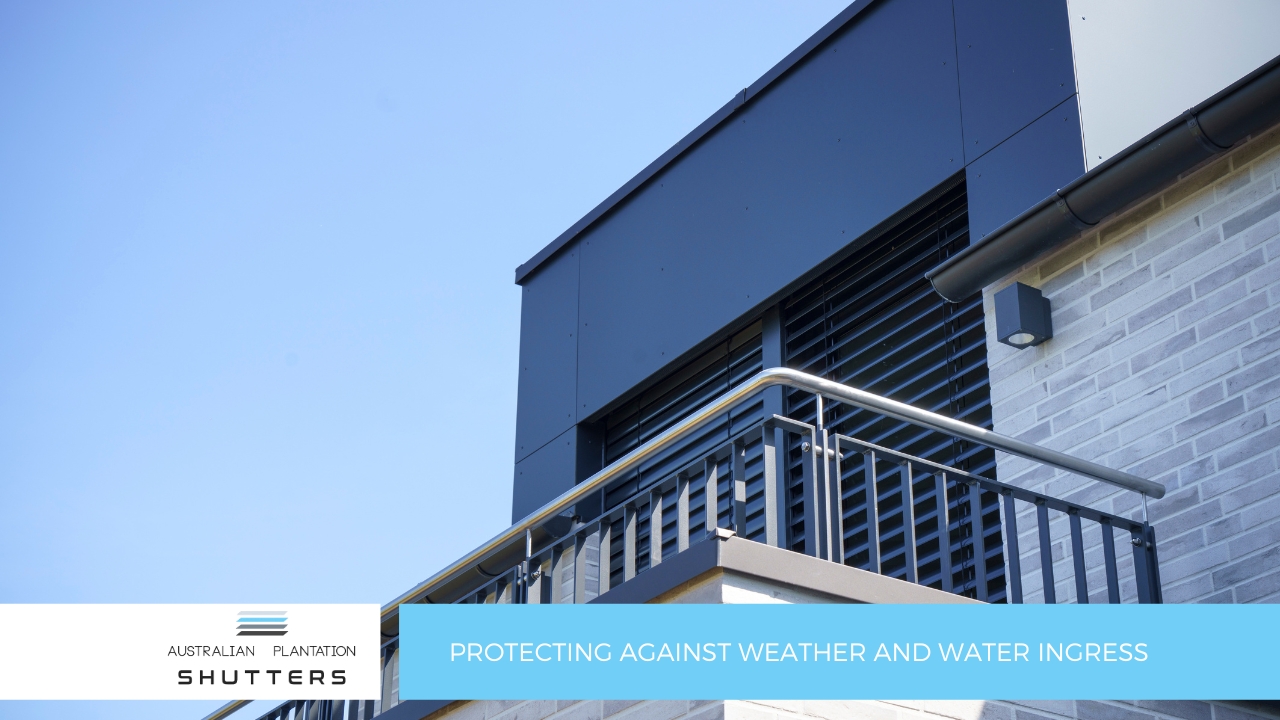
Outdoor fixed louvre shutters must be sealed and flashed correctly to prevent water from entering gaps and damaging walls or frames. Proper weather protection improves lifespan and maintains a clean finish.
| Consideration | Best Practice |
| Flashing and Trims | Install metal or PVC flashing along the top and sides of each frame. This directs water away from edges and prevents seepage. |
| Sealants | Apply flexible, waterproof sealant sparingly around joints to allow for minor movement as temperatures change. |
| Powder-Coated Surfaces | Powder coating adds a durable, UV-resistant barrier that protects aluminium from corrosion and fading. |
| Drainage | Ensure small weep holes or drainage points are clear to prevent water from pooling at the base of the frame. |
A well-flashed and sealed shutter resists corrosion, avoids water damage, and helps maintain a consistent appearance across changing weather conditions.
The angle of each louvre determines how much light, shade, and ventilation your shutters provide. Getting this right ensures comfort and energy efficiency throughout the year.
A well-planned louvre angle helps balance sunlight, airflow, and privacy. When designed correctly, fixed shutters can reduce interior temperatures and limit glare without darkening the space.
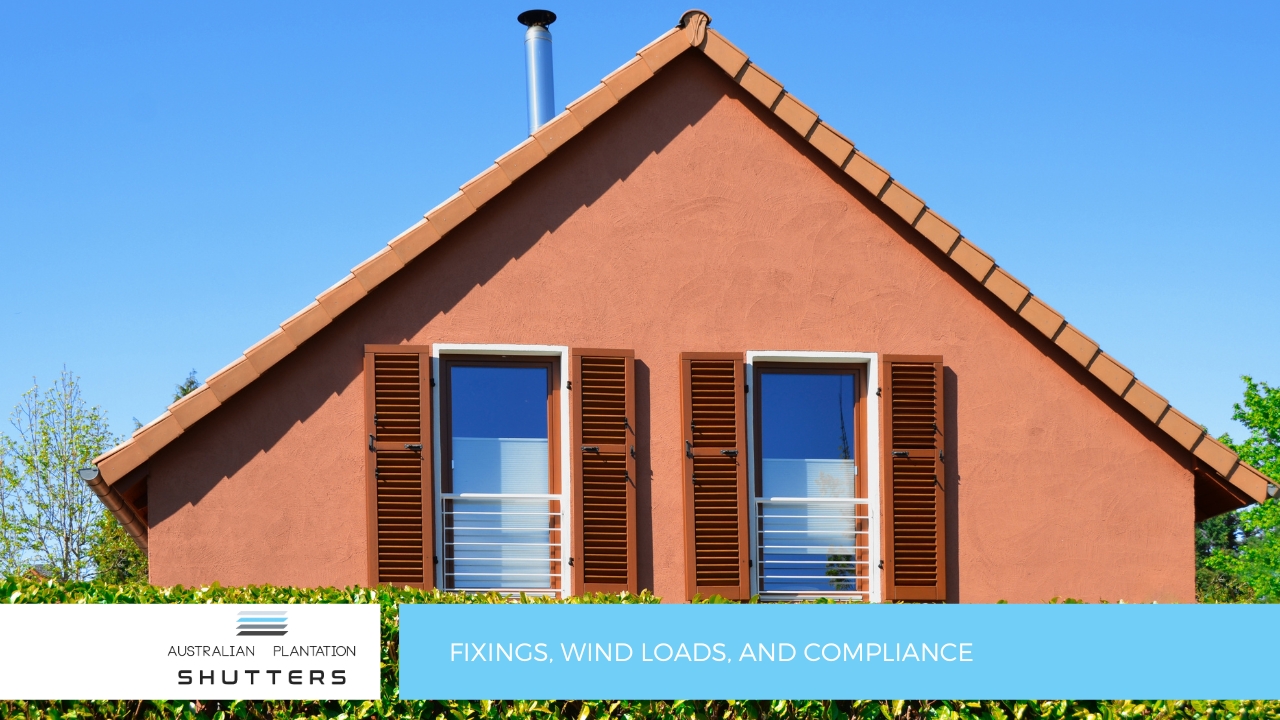
Outdoor shutters are exposed to wind, rain, and movement, so secure fixings are essential for long-term performance and safety.
Use stainless steel or galvanised fixings to prevent corrosion and ensure a firm hold. Avoid untreated or mixed metals, as these can cause galvanic corrosion over time. Check that all screws, bolts, and brackets are suitable for exterior use and compatible with the shutter’s material.
In coastal or high-wind regions, installation may require cyclone-rated fixings or reinforced frames to meet local standards. Always check council requirements or engineering recommendations before installation.
If your home is in a heritage zone, apartment complex, or strata property, seek written approval before fitting external shutters. Local building codes and community regulations often specify conditions for outdoor structures and façade alterations.
Regular care keeps outdoor louvre shutters performing well and looking new. A few basic checks each year can prevent long-term damage and costly repairs.
| Maintenance Task | Purpose | Recommended Frequency |
| Clean shutter surfaces | Remove salt, dust, and debris using mild detergent and water. | Every 3–6 months, more often near the coast |
| Inspect fixings and brackets | Check that screws and bolts remain tight and free from rust. | Twice a year |
| Touch up coating or finish | Repair small chips or scratches to prevent corrosion. | As required |
| Clear drainage points | Ensure base channels and weep holes stay unblocked to avoid pooling water. | After heavy rain or seasonal cleaning |
| Check louvre alignment | Confirm that blades remain straight and evenly spaced. | Annually |
Routine maintenance extends the life of outdoor shutters and preserves their finish. It also ensures continued airflow, protection, and visual consistency.
Fixed louvre shutters can enhance the look of a property while improving shading and ventilation. Their design should match the home’s architecture, colour palette, and proportions for a clean, balanced appearance.
When planning installation, align louvre blades across adjacent panels to create a continuous visual line. Consistent spacing and symmetry give the façade a more cohesive look.
Colour choice also plays a major role. Powder-coated finishes are available in a wide range of shades, from soft neutrals to bold contemporary tones. Lighter colours reflect heat and suit coastal designs, while darker tones provide contrast for modern exteriors.
For a natural aesthetic, consider timber-look coatings that replicate the texture of wood with the durability of aluminium. The result is a stylish, low-maintenance finish that complements both classic and contemporary homes.
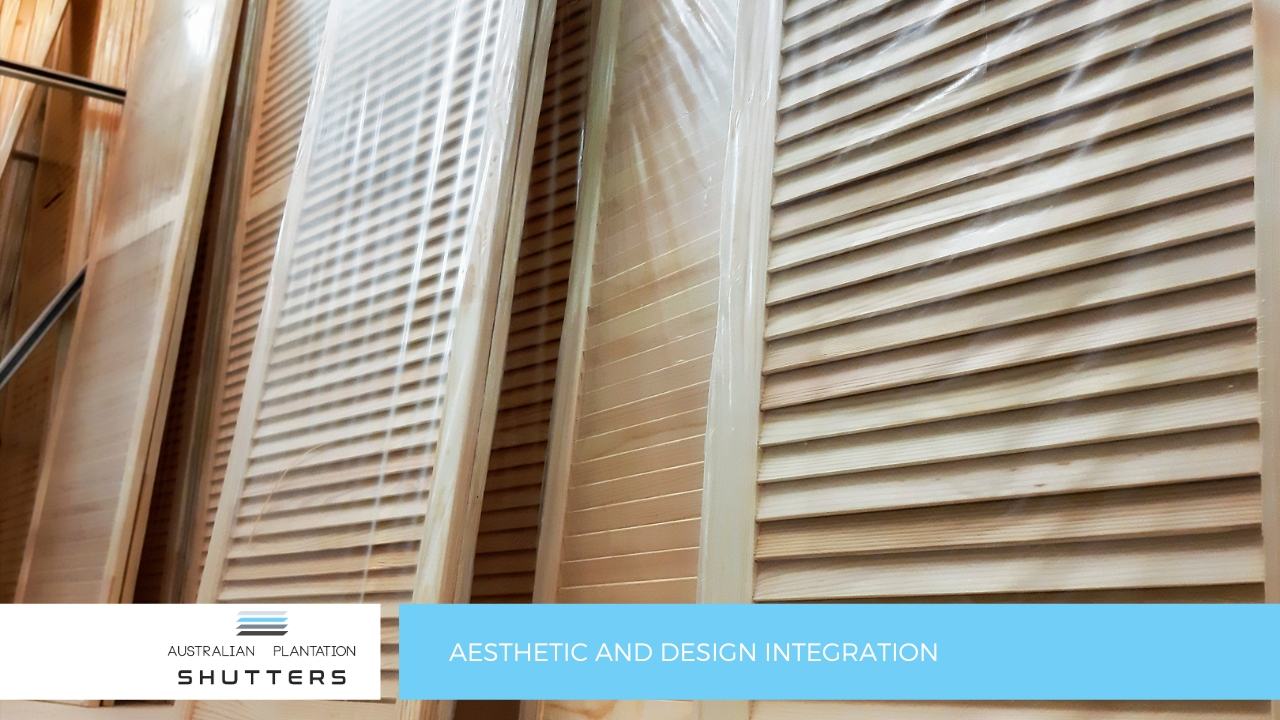
While fixed louvre shutters can be installed as a DIY project, professional installation ensures long-term performance, safety, and compliance with local building standards.
Experienced installers check for alignment, structural load, and proper sealing to prevent water entry and corrosion. They also account for local factors such as wind exposure, wall type, and drainage to make sure the shutters perform effectively year-round.
Before installation, confirm any council or strata requirements related to external fixtures or façade changes. In some regions, permits or engineering approvals may be necessary for outdoor fittings exposed to strong winds or near property boundaries.
Professional guidance helps ensure your shutters meet both design goals and safety standards — reducing the risk of future maintenance issues or non-compliance.
At Australian Plantation Shutters, we design and install fixed louvre shutters built for Australian conditions. Our team provides advice on materials, louvre angles, and fixings suited to each property’s location and layout.
We install outdoor louvre shutters across Newcastle, Lake Macquarie, and the Central Coast, ensuring every project meets local standards and performs reliably over time.
Contact us to discuss your outdoor shutter installation or to arrange an on-site assessment.
Powder-coated aluminium is the most durable and low-maintenance option for Australian conditions. It resists corrosion, fading, and warping, even in coastal environments.
Yes, when installed with stainless steel or galvanised fixings and reinforced frames. In high-wind or cyclone-rated areas, check council requirements for approved installation methods.
Yes. The louvre angle can be set to control sunlight and ventilation, reducing indoor heat while maintaining light and airflow.
Clean every three to six months using mild detergent and water. Coastal homes may need more frequent cleaning to remove salt and debris.
Approvals may be required for heritage properties, strata housing, or buildings in high-wind zones. Always confirm local regulations before installation.